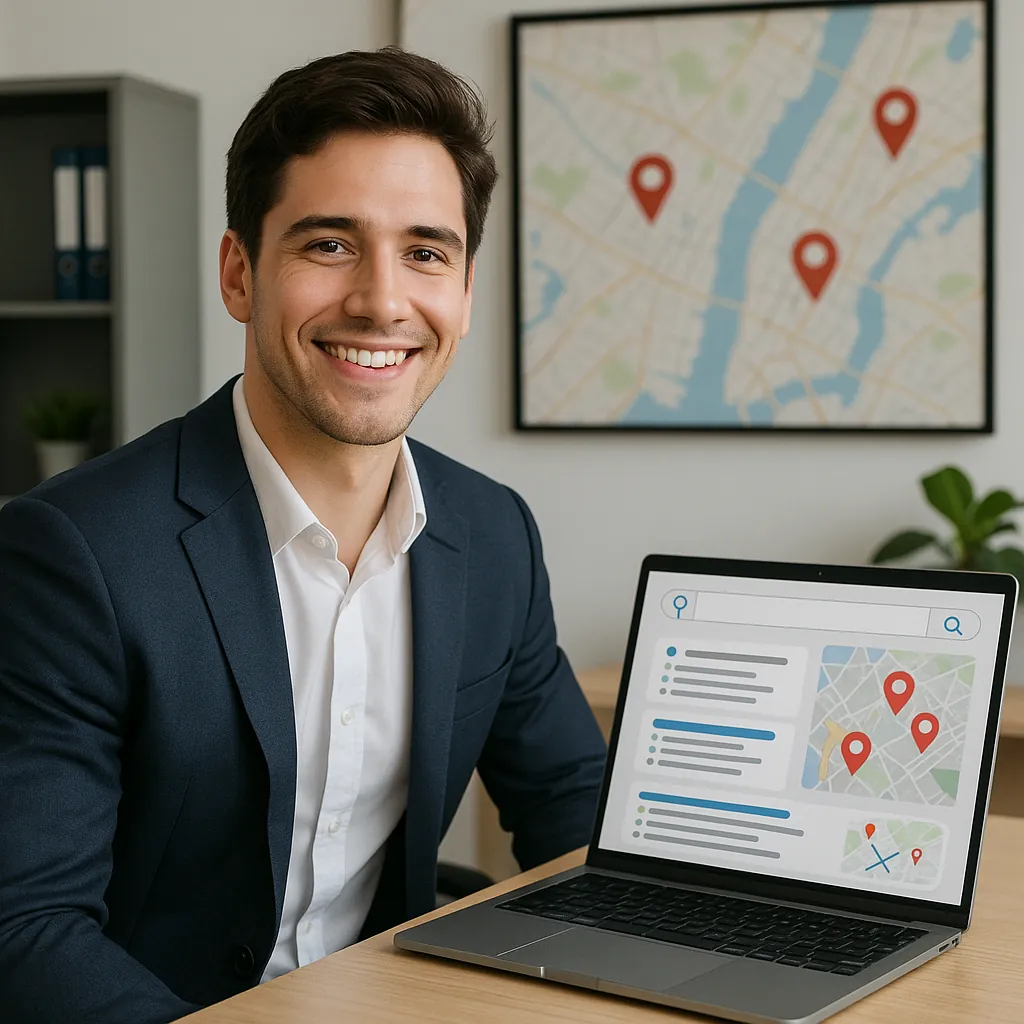



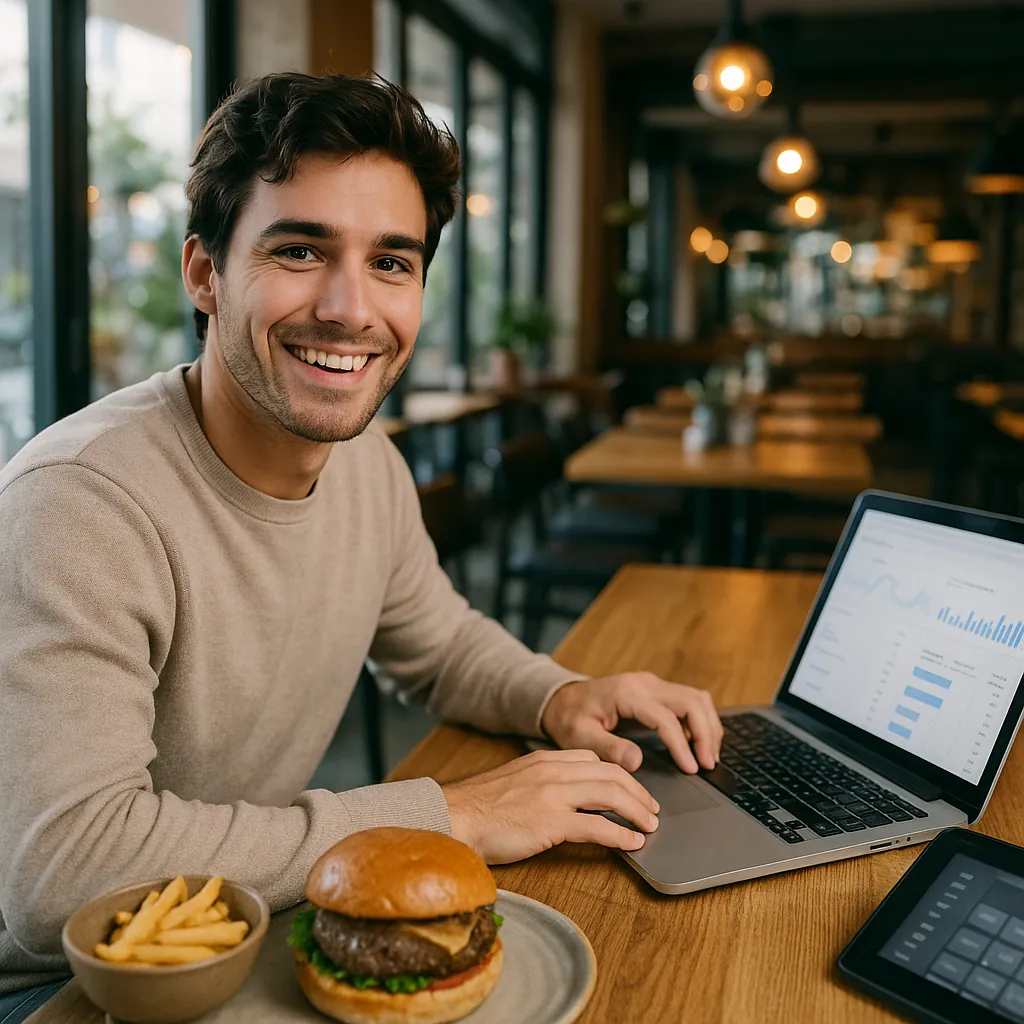
Running a restaurant today means competing on more than just flavors and ambiance. Diners decide where to eat after searching on Google for “best tacos near me,” “romantic dinner in Sarasota,” or “late-night pizza delivery.” Google Ads is the platform that can place your restaurant in those search results—at the exact moment a hungry customer is looking.
This article dives deep into specific restaurant categories, avoiding broad generalizations and showing how Google Ads performs differently for casual dining, fine dining, food trucks, coffee shops, delivery-based concepts, quick-service restaurants, and niche culinary experiences.
Why Google Ads Is Different for Restaurants
Before analyzing each segment, it’s important to note why Google Ads can be particularly powerful in food service:
-
Local intent dominates. Most searches for restaurants include a city name or the phrase “near me.” This creates hyper-local opportunities.
-
High purchase intent. A search like “Thai food delivery near me” means the diner is ready to order, not just browsing.
-
Visual influence. Ads that include extensions (photos, menu links, reviews) outperform plain text.
Still, each restaurant type benefits differently, so let’s break it down sector by sector.
Casual Dining Restaurants
Casual dining establishments—think family-friendly spots, sports bars, or neighborhood grills—rely on foot traffic and repeat customers.
How Google Ads Helps:
Search campaigns targeting “family restaurants near [city]” capture parents choosing dinner options. Location extensions show addresses and directions directly in the ad. Promotions (e.g., “Kids Eat Free Tuesdays”) can be highlighted in ad copy.
Specific Tactics:
Use daypart bidding—boost ads during evenings and weekends when families dine out. Create campaigns for local sporting events (“Best wings for game night in Tampa”).
Result: Casual dining chains often see higher reservation bookings and spikes in table traffic on promoted nights.
Fine Dining Restaurants
Luxury restaurants require a more refined strategy. A diner spending $200 on a steak dinner isn’t motivated the same way as a family at a burger joint.
How Google Ads Helps:
-
High-intent search ads (“romantic anniversary dinner Sarasota”) ensure top placement.
-
Call extensions allow immediate reservations.
-
YouTube ads showcasing ambiance and chef artistry build brand prestige.
Specific Tactics:
-
Use geo-fencing around affluent neighborhoods and luxury hotels.
-
Promote event-based experiences like wine tastings or chef’s tables.
Result: Fine dining ads generate fewer clicks but higher average ticket values, making campaigns profitable even at a smaller scale.
Quick-Service Restaurants (QSRs)
Think McDonald’s, Taco Bell, or local burger chains. Speed and convenience dominate.
How Google Ads Helps:
Mobile-first campaigns target commuters searching “fast food near me.” App promotion ads boost downloads for loyalty/rewards programs. Local inventory ads tie into drive-thru or curbside availability.
Specific Tactics:
Heavy use of callout extensions like “Open 24/7” or “Drive-thru Available.” Schedule ads around lunch rush hours.
Result: QSRs benefit most from volume-driven traffic, with low cost-per-click (CPC) but very high conversion rates.
Food Trucks
Food trucks are unique: they move, lack permanent visibility, and rely on local buzz.
How Google Ads Helps:
-
Location-targeted ads ensure visibility when the truck is parked in a new neighborhood.
-
Event keywords like “Bradenton food truck festival” attract festival-goers.
-
Click-to-call extensions let customers confirm location.
Specific Tactics:
-
Run radius targeting campaigns (e.g., 2 miles around today’s location).
-
Combine social proof by integrating Google reviews into ads.
Result: Food trucks gain flexibility, building lines at new spots without depending solely on Instagram or word-of-mouth.
Coffee Shops & Cafés
Coffee shops compete fiercely for morning commuters and digital nomads.
How Google Ads Helps:
Mobile search ads target “coffee near me” queries during morning hours. Local services ads allow display of ratings and business hours. Promotion extensions like “Buy 1, Get 1 Free Latte” capture impulse buyers.
Specific Tactics:
Schedule ads from 6 a.m. to 11 a.m., the caffeine rush window. Bid higher near college campuses and office clusters.
Result: Coffee shops see measurable increases in foot traffic during peak hours.

Delivery-Focused Restaurants
Pizza joints, ghost kitchens, and third-party delivery-exclusive businesses depend entirely on online discovery.
How Google Ads Helps:
-
Search campaigns tied to “pizza delivery Bradenton” dominate local competition.
-
Integration with Google Business Profile ensures order buttons show in ads.
-
Responsive ads adapt automatically for mobile ordering platforms.
Specific Tactics:
-
Optimize for near-me searches with dynamic location insertion.
-
Track conversions using Google Ads + delivery platform integration (UberEats, DoorDash).
Result: Delivery-focused restaurants often achieve the highest ROI, since every click can translate into an order.
Niche Concepts (Vegan, Ethnic, Specialty)
Restaurants with unique positioning—vegan cafés, Brazilian steakhouses, or gluten-free bakeries—benefit from hyper-targeting.
How Google Ads Helps:
-
Long-tail keywords (“vegan brunch Tampa,” “authentic Peruvian ceviche Bradenton”).
-
Display campaigns on blogs and forums about dietary lifestyles.
-
YouTube recipe ads for cross-marketing.
Specific Tactics:
-
Build campaigns around cultural events (e.g., “Cinco de Mayo Mexican catering Sarasota”).
-
Use audience targeting to reach people searching for “vegan recipes.”
Result: Niche restaurants thrive by reaching smaller but highly committed audiences, where ad competition is low but intent is strong.
Pitfalls to Avoid with Google Ads for Restaurants
While powerful, poorly executed Google Ads can waste budget:
-
Generic campaigns without local targeting dilute impact.
-
Ignoring mobile optimization misses the bulk of hungry searchers.
-
Weak landing pages (outdated menus, broken reservation links) kill conversions.

The Power of Extensions in Restaurant Ads
Ad extensions are not optional—they’re essential. For restaurants, the most effective are:
-
Location extensions – show address and “Get Directions.”
-
Call extensions – allow one-tap reservations or orders.
-
Menu extensions – link directly to specific dishes.
-
Promotion extensions – highlight discounts or events.
Each extension boosts click-through rate (CTR) by up to 15–20%, according to Google’s benchmarks.
Measuring Success: Key Metrics for Restaurants
Restaurants should track metrics that go beyond standard ad clicks:
-
Calls and reservations generated.
-
Orders placed online (integrated tracking with delivery partners).
-
Foot traffic increases (measured via Google Business Profile insights).
-
Revenue per conversion (especially critical for fine dining).
Restaurant Chains with Multiple Locations
Large chains face the challenge of balancing brand consistency with local targeting. A diner in Tampa searches differently than one in Miami, even if both are looking for the same chain. Google Ads allows campaigns to be customized per city while maintaining overall brand control.
Use ad groups segmented by location.
Highlight regional promotions or seasonal menus.
Ensure NAP consistency (Name, Address, Phone) across ads.
Seasonal Restaurants
Some restaurants only operate during specific months, like beach bars or ski-lodge eateries. Google Ads helps them maximize visibility in short but profitable windows. Targeting seasonal demand ensures campaigns are cost-efficient.
Schedule ads only during operational months. Push limited-time offers like “Summer Seafood Specials.” Bid higher around holidays when tourists are present.

Breweries & Gastropubs
Breweries attract craft beer enthusiasts searching for unique experiences. Google Ads supports their growth by targeting event-driven traffic, such as beer festivals or trivia nights. These ads can highlight both atmosphere and unique brews.
Keywords like “craft beer near me” or “IPA Bradenton.” Use event extensions for “Live Music Fridays.” Geo-target ads around college campuses and nightlife districts.
Family-Owned Restaurants
Independent restaurants often compete with big chains but can shine with the right campaign. Google Ads levels the playing field by emphasizing authenticity and community. Storytelling through ads builds loyalty.
-
Highlight “family-owned since [year]” in copy.
-
Promote local awards or customer reviews.
-
Use responsive ads with emotional messaging.
Buffet-Style Restaurants
Buffets rely on volume and variety, appealing to large groups. Google Ads can highlight unique value propositions like “All-You-Can-Eat Crab Night.”
-
Create search ads with pricing-focused copy.
-
Schedule campaigns for weekends and holidays.
-
Target keywords tied to groups: “birthday dinner buffets.”
Bars & Nightclubs
Bars and nightclubs thrive on spontaneous decisions, especially late at night. Google Ads captures last-minute searches like “bars open now.”
Use ad scheduling for evening and late-night hours. Incorporate call extensions for cover charge details. Promote weekly events like “Ladies’ Night” or DJs.
Breakfast & Brunch Spots
Morning-focused restaurants can maximize early-day intent with tightly scheduled campaigns. A diner searching “best brunch near me” is often ready to choose immediately.
Run ads from 7 a.m. to 1 p.m. Highlight weekend specials in ad copy. Use sitelinks for menu favorites like “Pancakes” or “Mimosas.”

Farm-to-Table Restaurants
Sustainability and freshness are selling points. Google Ads allows these restaurants to connect with eco-conscious diners by highlighting organic and local sourcing.
-
Keywords like “organic restaurants Sarasota.”
-
Use callout extensions: “Farm Fresh Daily.”
-
Display ads featuring images of local farms.
Catering Services
Restaurants that also offer catering can use Google Ads to target event planners and businesses. These campaigns require different messaging than dine-in promotions.
-
Keywords: “wedding catering Tampa” or “corporate lunch catering.”
-
Promote minimum order values in copy.
-
Use call extensions for quick quotes.
Pop-Up Restaurants
Pop-ups are temporary, making visibility critical. Google Ads ensures they reach diners before the pop-up disappears. Scarcity marketing is key here.
Run short-term, high-budget campaigns.
Geo-target within a tight radius.
Highlight limited availability: “Only 3 nights.”
Hotels with In-House Dining
Hotels often struggle to get outsiders into their restaurants. Google Ads can position these venues as destination dining, not just for guests.
Keywords like “fine dining near [hotel name].” Use local extensions to highlight hotel location. Promote events like “Sunday Brunch at Hilton.”
Health-Focused Restaurants
Juice bars, salad shops, and keto cafés compete with QSRs but appeal to health-conscious diners. Google Ads can highlight dietary benefits.
-
Keywords like “low-carb lunch Sarasota.”
-
Extensions: “Vegan Options,” “Gluten-Free Available.”
-
Showcase nutrition info in ad copy.
Ethnic Street Food Vendors
Street vendors offering authentic ethnic cuisine can use Google Ads to target cultural food enthusiasts. This drives traffic beyond word-of-mouth.
Use “authentic [cuisine] near me” keywords. Geo-target cultural festivals or neighborhoods. Add reviews praising authenticity.
Event-Based Restaurants
Some restaurants revolve around specific events, like dinner theaters or murder mystery dinners. Google Ads helps spotlight these unique experiences.
-
Target “dinner show near me” searches.
-
Use sitelinks for ticket booking.
-
Promote themed nights in ad copy.
Restaurants with Live Entertainment
Music, comedy, or open-mic nights create extra draw. Google Ads can turn entertainment into a conversion hook beyond the food.
Add event extensions with show times.
Use keywords like “live music restaurant Tampa.”
Promote artists’ names to capture fan searches.
Dessert Shops & Ice Cream Parlors
Sweet-focused businesses thrive on impulse-driven searches like “ice cream near me” or “best desserts in Sarasota.” Google Ads captures these cravings at the exact moment customers want indulgence. Highlighting flavors, limited editions, and seasonal treats increases clicks.
-
Use keywords such as “gelato Bradenton” or “vegan ice cream near me.”
-
Promote family bundles like “2 for 1 Sundaes.”
-
Run ads during evenings and weekends for peak demand.
Rooftop & Waterfront Restaurants
Restaurants with scenic views can leverage experience-driven keywords to stand out. Diners often search for ambiance just as much as cuisine. Ads emphasizing “romantic rooftop dinner” or “dining with ocean view” draw in high-intent audiences.
Highlight panoramic views in ad copy. Use sitelinks for “Reserve a Table with a View.” Geo-target ads around tourist-heavy zones.

Vegan & Plant-Based Restaurants
Plant-based dining is booming, and Google Ads lets these restaurants tap into a highly passionate niche audience. Campaigns that highlight sustainability and health benefits stand out against generic ads.
-
Target long-tail queries: “vegan brunch Tampa” or “plant-based tacos Sarasota.”
-
Use callouts like “Eco-Friendly” and “Locally Sourced.”
-
Showcase 5-star reviews from vegan customers.
Sports Bars & Game Day Venues
Sports-driven restaurants thrive on event-based targeting. Google Ads ensures visibility when fans search “best place to watch the game near me.” These ads can also emphasize promotions tied to major sporting events.
Promote specials like “$2 Beers During NFL Sundays.” Use ad scheduling for prime game times. Target keywords including “sports bar Tampa Bay.”
High-Traffic Tourist Restaurants
Tourist-driven restaurants depend heavily on visibility at the right moment, as visitors often make spontaneous dining decisions. Google Ads captures these searches with geo-targeted campaigns.
Keywords like “best seafood near Clearwater Beach.” Leverage call extensions for quick reservations. Use multilingual ads to reach international tourists.
Google Ads Can Fill Your Tables Tonight
The verdict is clear: Google Ads work for restaurants—when done right. Each sector, from food trucks to fine dining, requires unique targeting, keywords, and ad formats. Restaurants that invest in well-structured campaigns see measurable returns: more reservations, increased takeout orders, and stronger local brand presence.
Ignoring Google Ads in today’s market means leaving diners for competitors who are showing up where it matters—at the top of Google search.